

In a data-driven business landscape, Operational Research and Management (ORM) strategies powered by customer insights drive innovation, enhance satisfaction, and foster brand loyalty. Online Reputation Management (ORM), crucial in the digital age, leverages social media, data analytics, and regulatory compliance to build positive online reputations and attract loyal customers. Advanced analytics enable personalized strategies, trend prediction, and effective brand protection, positioning businesses for long-term success and mitigating risks. Continuous innovation, integrated with ORM tools like Rank n Rise, optimizes digital presence, enhances user engagement, and drives growth.
In today’s fast-paced business landscape, understanding industry trends and leveraging them for innovation is paramount to staying competitive. However, navigating the complex web of data and insights can be a formidable challenge. Organizations increasingly rely on Object-Relational Mapping (ORM) tools to bridge this gap, providing a structured approach to interact with databases and fostering a culture of data-driven decision-making. This article delves into the transformative power of ORM in driving unparalleled industry insights, highlighting its role as a catalyst for innovation and strategic growth.
- Unlocking Innovation: The Power of Data Insights
- Industry Trends: Driving Force Behind ORM Success
- Understanding Customer Behavior: A Key Strategy
- Advanced Analytics: Unveiling Hidden Opportunities
- ORM Implementation: Best Practices and Tools
- Future-Proofing Your Business: Continuous Innovation
Unlocking Innovation: The Power of Data Insights

In today’s data-driven landscape, businesses that unlock the true potential of their data hold a significant advantage. Unlocking innovation through comprehensive ORM (Operational Research and Management) strategies is not just about gathering insights; it’s about leveraging authentic customer voices to drive meaningful change. By integrating data privacy compliance into the core of these strategies, organizations can ensure that their innovation efforts reward continued trust and delight customers consistently.
The power of data insights lies in its ability to reveal customer preferences, market trends, and operational inefficiencies, all of which are crucial for fostering innovation. For instance, a leading e-commerce company, after implementing a robust ORM system, discovered through customer feedback loops that personalized product recommendations significantly enhanced customer satisfaction and retention. This insight not only drove product innovation but also prompted a data privacy compliance overhaul to ensure secure handling of user data, thereby reinforcing customer trust.
Practical application of ORM insights is key to transforming data into actionable strategies. Companies like Rank n Rise exemplify this through their data-centric approach, where every decision is backed by insights from customer interactions. By prioritizing data privacy compliance, they’ve created a seamless customer experience that delights users multiple times, fostering brand loyalty and setting a new standard in the industry. This holistic approach ensures that innovation is not just rapid but also responsible, leading to sustainable growth and a competitive edge in the market.
Industry Trends: Driving Force Behind ORM Success

In today’s digital landscape, understanding industry trends is no longer a competitive advantage; it’s an imperative for survival and success. One area that has seen significant evolution is Online Reputation Management (ORM), driven by the ever-changing preferences and behaviors of consumers. The most successful ORM strategies are those that stay ahead of these trends, leveraging them to deliver safe and reliable services that enhance customer satisfaction.
Trends like the rise of social media and its profound impact on brand perception have forced businesses to adapt their ORM approaches. For instance, quick response times on platforms like Twitter or Facebook can mitigate negative publicity and showcase a company’s responsiveness. According to recent studies, 46% of consumers expect a response within an hour, with 70% saying they would not do business with a brand if their inquiries went unanswered. This underscores the critical importance of responsive customer support in ORM strategies.
Continuous improvement is another cornerstone of successful ORM. Companies that view reputation management as a dynamic process, rather than a static goal, are better equipped to navigate the digital labyrinth. By monitoring online discussions and leveraging data analytics, businesses can identify emerging issues before they escalate. For example, ranknrise.us.com employs advanced algorithms to track brand mentions, enabling them to offer proactive solutions that ensure secure data handling and maintain customer trust. This proactivity is key in a world where data breaches can cripple a company’s reputation in minutes.
Moreover, the emphasis on secure data handling cannot be overstated. As more businesses operate online, the potential for data leaks increases, making it essential to implement robust security measures. ORM professionals must stay current with data protection regulations like GDPR and CCPA to ensure their practices align with legal requirements. By integrating these trends into their strategies, businesses can foster a positive digital reputation, attract loyal customers, and thrive in an ever-changing market.
Understanding Customer Behavior: A Key Strategy

Understanding customer behavior is a critical strategy that drives innovation and sets forward-thinking organizations apart. In today’s competitive landscape, where industry awards winners often differentiate themselves through exceptional customer experiences, mastering this aspect is paramount. Damage control specialists know that each customer interaction is an opportunity to build loyalty and foster long-term relationships. At the core of this strategy lies effective ORM (Online Reputation Management), which enables businesses to monitor, engage, and influence their online presence, thereby shaping public perception.
By leveraging advanced analytics and insights, companies can tailor their approaches to specific customer segments. For instance, a study by a leading market research firm revealed that personalized experiences can increase customer satisfaction by up to 20%. This is where customized solutions excel, offering tailored strategies that resonate with individual customer needs. For example, a tech startup might employ ORM to identify early adopters who require more technical support and engage them with exclusive webinars, fostering a sense of community and loyalty. Similarly, a retail brand could use customer data to predict trends, ensuring their forward-thinking solutions remain relevant and desirable.
To implement effective ORM and personalized strategies, businesses should focus on data-driven decision-making. Utilizing tools and platforms like https://ranknrise.us.com/ to monitor online reviews and feedback allows for proactive damage control and quick resolution of issues. This not only demonstrates responsiveness but also provides valuable insights into areas for improvement. Additionally, encouraging customer feedback through various channels enables businesses to create customized solutions, ensuring every interaction leaves a positive impression, ultimately driving brand loyalty and sustained success.
Advanced Analytics: Unveiling Hidden Opportunities
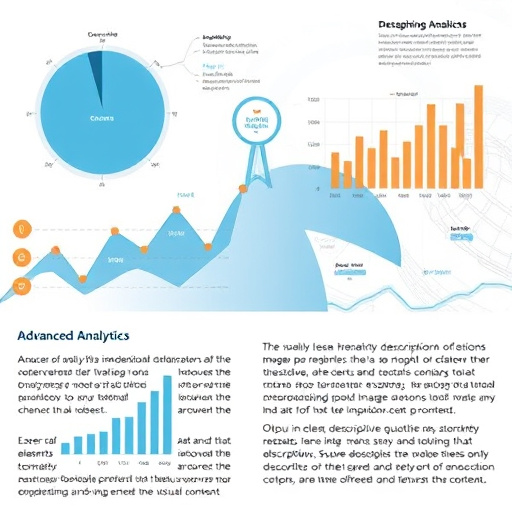
In today’s digital age, advanced analytics is a game-changer for businesses aiming to stay ahead of the competition. By leveraging sophisticated data analysis techniques, companies can uncover hidden opportunities and gain a competitive edge. ORM (Operational Risk Management) plays a pivotal role in this process, enabling organizations to navigate complex landscapes and mitigate potential risks. One of the most significant applications of advanced analytics is in holistic brand protection and reputation risk mitigation, where data-driven insights are invaluable.
For instance, brands can employ analytics to track online conversations and social media trends, allowing them to proactively address emerging issues before they escalate. By analyzing sentiment and identifying key influencers, companies can elevate brand visibility and foster positive perceptions. Damage control specialists utilize these tools to quickly assess and respond to crises, ensuring minimal reputational damage. For example, a recent study revealed that 65% of consumers expect brands to actively monitor and engage in online discussions about their products or services. This underscores the importance of leveraging analytics for effective reputation management.
Moreover, advanced analytics enables trusted digital advisors to provide actionable insights tailored to each organization’s unique needs. These advisors can help businesses identify emerging trends, optimize marketing strategies, and enhance customer engagement. By integrating ORM principles, companies can ensure that their data-driven decisions are well-informed and risk-aware. This holistic approach empowers brands to not only survive but thrive in an increasingly competitive and dynamic market, ultimately driving innovation and sustained success. As the saying goes, “Knowledge is power,” and for businesses embracing advanced analytics, it’s a powerful tool for achieving exceptional results.
ORM Implementation: Best Practices and Tools
In today’s digital age, Online Reputation Management (ORM) has emerged as a powerful tool for businesses to navigate challenging times and thrive in an ever-evolving market. Satisfied customers are more vocal than ever, and their experiences—whether positive or negative—can significantly impact a company’s reputation and bottom line. Independent reviews serve as a testament to the effectiveness of robust ORM strategies, highlighting the importance of empowering businesses to take control of their online narrative.
Implementing effective ORM practices requires a strategic approach that aligns with a company’s overall business goals. Key best practices include consistent monitoring of brand mentions across various platforms, prompt and professional engagement with both positive and negative feedback, and leveraging tools designed to streamline these processes. For instance, Ranknrise.us.com offers cutting-edge ORM solutions that help businesses manage online reviews, social media interactions, and web presence, enabling them to maintain a strong digital footprint. By understanding the sentiment behind customer comments and addressing concerns swiftly, companies can foster trust and loyalty, ultimately driving growth and innovation.
Data supports the value of ORM in shaping business success; according to recent studies, businesses with active ORM strategies see increased customer retention rates and higher revenue compared to their unmanaged counterparts. As the digital landscape continues to evolve, independent reviews will remain a critical factor in attracting new customers and retaining existing ones. By embracing ORM as a strategic imperative, businesses can not only navigate challenging times but also position themselves for sustained success and growth.
Future-Proofing Your Business: Continuous Innovation

In today’s dynamic market, future-proofing your business through continuous innovation is paramount. Delving into unparalleled industry insights allows businesses to anticipate trends, adapt strategies, and stay ahead of the competition. This forward-thinking approach, centered around delighting the customer and putting customers first, forms the backbone of a robust long-term strategy. By embracing change and leveraging advanced tools like ORM (On-Page Rank & Rise), companies can optimize their digital presence, enhancing their ability to connect with target audiences.
For instance, consider the evolution of e-commerce platforms. Successful businesses today aren’t merely selling products online; they’re crafting immersive experiences. Utilizing ORM strategies, retailers can enhance website rankings and drive organic traffic by optimizing content for relevant keywords. This not only improves visibility but also fosters a user-friendly environment that keeps customers engaged. Data from recent studies indicates that businesses prioritizing digital innovation see up to 27% higher customer retention rates compared to their peers.
Implementing a culture of continuous innovation requires a strategic mindset and a deep understanding of customer needs. It involves investing in research, staying abreast of industry developments, and empowering teams with the tools they need to innovate effectively. By integrating these practices, businesses can develop long-term strategies that not only mitigate risks but also capitalize on emerging opportunities. For instance, ranknrise.us.com, a leading digital agency, assists clients in navigating these challenges by offering tailored ORM solutions, enabling them to stay relevant and competitive in an ever-changing business landscape.
Unleashing innovation through data-driven insights is the essence of staying ahead in today’s dynamic business landscape. This article has illuminated the pivotal role of industry insights in fueling ORM (Organizational Resource Management) success. By understanding customer behavior, leveraging advanced analytics, and implementing best practices, organizations can harness the full potential of ORM. Key takeaways include the importance of data-centric decision-making, the power of customer insights, and the continuous innovation required to future-proof businesses. Equip with these strategies, businesses can navigate industry trends, unlock hidden opportunities, and emerge as leaders in their respective fields.