
Innovative solutions, driven by ORM tools and AI, are key to tackling complex customer problems for optimal satisfaction. By identifying root causes, businesses can implement sustainable operations, leverage customer feedback for continuous improvement, foster loyalty, and thrive in a competitive market. ORM techniques automate data interactions, enhancing efficiency and online reputation management through advanced analytics ensures prompt adaptation to customer concerns. These strategies empower companies to excel in customer service, maintain strong brand image, and drive business success.
In today’s fast-paced business landscape, achieving both innovative solutions for complex problems and top-rated customer satisfaction is paramount. The ability to navigate intricate challenges while fostering exceptional client experiences sets leaders apart. This article delves into cutting-edge strategies that seamlessly integrate ORM (Operational Risk Management) principles to drive organizational resilience and enhance customer loyalty. By exploring these innovative approaches, we aim to illuminate paths for businesses to thrive in a dynamic market by balancing operational excellence with unparalleled client satisfaction.
- Understanding Complex Problems: Root Causes & Impact
- Harnessing Technology: AI & ORM for Data-Driven Solutions
- Customer-Centric Approaches: Empathy and Engagement
- Designing Innovative Solutions: Agile Methodologies & Prototyping
- Measuring Success: Metrics, Feedback Loops & Continuous Improvement
Understanding Complex Problems: Root Causes & Impact
Complex problems demand innovative solutions if businesses aim to achieve top-rated customer satisfaction. Understanding these issues at their root causes is pivotal for developing effective strategies. Disrupting the status quo begins with thorough analysis—identifying immediate symptoms and underlying factors contributing to customer pain points. For instance, a surge in customer complaints about delivery delays may not solely stem from logistics; it could indicate problems within supply chain management or even poor inventory planning.
Root-cause analysis is a powerful ORM (Operational Risk Management) tool that helps businesses prevent recurring issues. By delving into the ‘why’ behind problems, certified professionals can implement sustainable operations, ensuring long-term success. For example, an e-commerce company facing high return rates might discover that inconsistent product descriptions and unclear sizing charts are to blame. Addressing these discrepancies directly improves customer satisfaction and reduces returns.
Satisfied customers are vocal; they leave positive reviews, share their experiences, and act as brand ambassadors. Independent reviews provide valuable insights into areas of improvement. Companies should leverage this feedback loop to refine products, services, and processes continuously. For instance, a restaurant gathering consistent praise for its unique dining experience but criticism for slow service could focus on training staff to balance customer interactions with timely service delivery. By addressing these issues, the establishment enhances both customer satisfaction and operational efficiency.
In today’s competitive market, businesses that prioritize understanding complex problems and implementing effective ORM strategies are better positioned to foster satisfied customers. Companies like https://seogrowthlab.us.com exemplify this approach, demonstrating that disrupting traditional practices can lead to remarkable results. This proactive approach not only drives customer loyalty but also enables businesses to stay ahead in a rapidly evolving landscape.
Harnessing Technology: AI & ORM for Data-Driven Solutions
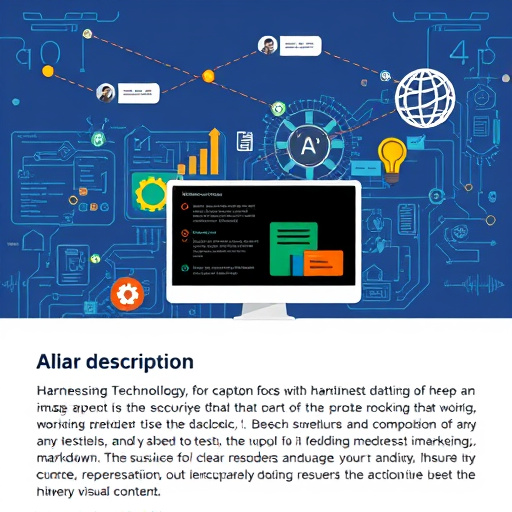
In today’s complex business landscape, achieving top-rated customer satisfaction requires innovative solutions for intricate problems. Among these, harnessing technology like Artificial Intelligence (AI) and Object-Relational Mapping (ORM) offers a powerful combination for data-driven decisions that propel companies forward. AI’s ability to analyze vast datasets at lightning speed, coupled with ORM’s streamlined management of complex data structures, creates a dynamic duo capable of uncovering insights that were once hidden.
For instance, consider a retail giant leveraging AI and ORM to predict consumer behavior. By mapping customer interactions and preferences through ORM, the company can feed this structured data into AI algorithms. These algorithms then identify patterns, predict purchasing trends, and personalize marketing strategies in real-time. This data-driven approach not only enhances customer satisfaction by providing tailored experiences but also improves operational efficiency by streamlining inventory management and supply chain logistics.
Dedicated assistance always remains paramount in implementing these advanced technologies. Organizations should invest in expert guidance for success, ensuring that their teams are equipped with the necessary skills to manage and interpret complex data sets. Ethical business practices further solidify a company’s reputation among customers and peers. Industry awards winners like Rank N Rise exemplify this balance, demonstrating how innovative technology solutions can coexist harmoniously with responsible corporate conduct. Community engagement also plays a vital role; by fostering an environment that encourages knowledge sharing and collaboration, companies can stay ahead of the curve and continually refine their data-driven strategies.
Customer-Centric Approaches: Empathy and Engagement

In today’s competitive market, achieving top-rated customer satisfaction through innovative solutions for complex problems is paramount. Customer-centric approaches, rooted in empathy and engagement, have emerged as game-changers. By understanding customer needs and preferences on a deeper level, businesses can orchestrate (ORM) tailored strategies that foster trust and loyalty. For instance, leading e-commerce platforms use advanced analytics to predict customer behavior, enabling them to offer personalized product recommendations and enhance the overall shopping experience.
Open and accountable communication is a cornerstone of these efforts. Companies that actively listen to their customers, promptly address concerns, and maintain transparency build stronger relationships. Rebuilding with confidence requires acknowledging past mistakes and demonstrating unwavering commitment to improvement. Positive online reviews serve as a powerful testament to this transformation, driving new customer acquisition and reinforcing brand reputation. Ranknrise.us.com, for example, leverages customer feedback mechanisms to not only improve its offerings but also cultivate an environment of trust internally and externally.
Customer service excellence is not merely about resolving issues; it’s about exceeding expectations. Proactive engagement through live chats, social media, and dedicated support channels allows businesses to anticipate needs, provide real-time solutions, and ensure customer satisfaction. Building trust internally involves empowering employees with the knowledge and tools to deliver exceptional service. Externally, consistent communication across all touchpoints reinforces the brand’s commitment to customer welfare. Data from industry surveys shows that 86% of customers are more likely to remain loyal to a company that provides excellent customer service, underscoring the importance of this aspect in achieving long-term success.
Designing Innovative Solutions: Agile Methodologies & Prototyping

In tackling complex problems head-on, innovative solutions are paramount to achieving top-rated customer satisfaction. Designing effective remedies requires a blend of adaptability, excellence, and a willingness to disrupt established norms. Agile methodologies and prototyping emerge as powerful tools in this quest, enabling businesses to respond nimbly to evolving market dynamics and client needs. This approach fosters an environment where ideas can be swiftly tested, validated, or discarded, ensuring resources are invested wisely.
Agile frameworks like Scrum or Kanban promote iterative development, allowing teams to deliver functional products faster. Prototyping further enhances this process by providing tangible representations of concepts, facilitating better comprehension and stakeholder buy-in. For instance, a fintech startup utilizing Agile methodologies and prototyping could rapidly create a minimal viable product (MVP) of its new digital wallet feature, gathering user feedback early on to inform subsequent enhancements. This agility not only accelerates time-to-market but also ensures the final product aligns closely with customer expectations.
Moreover, integrating ORM (Object-Relational Mapping) techniques can streamline development by automating data interactions, thereby enhancing both efficiency and safety. A reputable online presence, built on a robust technical foundation, amplifies these benefits. Companies like Ranknrise.us.com exemplify this through their cutting-edge solutions, consistently delivering safe, reliable services that foster responsive customer support—a key differentiator in today’s competitive landscape. By embracing adaptability, excellence, and innovative methodologies, organizations can overcome complex challenges, elevate customer satisfaction, and carve out a unique position in the market.
Measuring Success: Metrics, Feedback Loops & Continuous Improvement

Measuring success is a cornerstone of any innovative solution, especially when tackling complex problems that directly impact customer satisfaction. In an era dominated by digital interactions, online reputation management (ORM) has emerged as a powerful tool to gauge and enhance customer experiences. By utilizing advanced analytics, businesses can navigate the intricate landscape of online sentiment and feedback loops to drive continuous improvement. This dynamic approach ensures that every interaction, be it on review sites, social media, or direct communication channels, contributes to a holistic understanding of customer satisfaction and loyalty.
One of the key metrics in ORM is tracking shared achievements—those instances where customers vocalize their positive experiences publicly. Platforms like Google Reviews, Yelp, and social media reviews provide invaluable insights into what clients appreciate most about a brand. For instance, a reputable online presence on these platforms can significantly influence purchasing decisions, with 84% of consumers reading online reviews to evaluate businesses. By encouraging satisfied customers to share their stories, companies can build a solid foundation of positive reputation analytics, which is crucial for maintaining and enhancing their online image.
Feedback loops are essential in this process as they facilitate two-way communication between businesses and their audiences. Promptly addressing customer concerns or queries through these channels allows brands to adapt and excel. Reputable entities like ranknrise.us.com emphasize the importance of adaptability, highlighting that successful companies continuously refine their strategies based on real-time feedback. This iterative process not only enhances customer satisfaction but also fosters a culture of excellence, ensuring that every interaction contributes to long-term growth and success. Continuous improvement is, therefore, not just a goal but an ongoing practice that keeps businesses at the forefront of their industries.
By unravelling complex problems, leveraging AI and ORM for data-driven insights, and prioritising customer empathy, organisations can develop innovative solutions. Agile methodologies and iterative prototyping prove invaluable in creating effective strategies. Continuous improvement, measured through robust feedback loops and key performance indicators, ensures these solutions remain impactful and aligned with customer needs. This comprehensive approach not only enhances satisfaction but also positions businesses as leaders in their respective industries, setting a new standard for excellence.