

In today's regulated business environment, ORM (Online Reputation Management) is crucial for success. Key aspects include complying with data privacy laws, implementing transparent data handling protocols, and exceeding customer expectations. Strategic ORM approaches emphasize monitoring online reviews to address concerns promptly and build trust. Staying informed about industry trends and regulatory changes is vital for long-term success. Businesses leverage digital tools to automate compliance, freeing up resources for strategic initiatives. Expertise in Operational Risk Management (ORM) protects reputations, attracts clients, retains existing customers, and provides a competitive edge. Forward-thinking companies stay ahead of changes, implement customized ORM solutions, and utilize advanced analytics for proactive compliance. Continuous learning through ORM ensures adaptability, enhances risk mitigation, and reduces regulatory breaches.
In today’s complex business landscape, navigating industry regulations is more critical than ever for sustained success. Organizations face a labyrinthine web of laws and standards, demanding expert knowledge to avoid penalties and ensure compliance. The challenge lies in possessing a deep understanding of these evolving norms and their impact across diverse sectors. This article delves into the art of mastering industry regulations, highlighting the significance of expertise in Organizational Regulatory Management (ORM). We’ll explore strategies that empower professionals to confidently steer their organizations through this intricate regulatory maze, fostering sustainable growth and mitigating risks.
- Understanding Industry Regulations: A Comprehensive Overview
- Developing Expertise: Strategies for Proficiency in ORM
- Navigating Complexities: Tools for Effective Compliance
- Continuous Learning: Staying Ahead in Dynamic Regulatory Environments
Understanding Industry Regulations: A Comprehensive Overview

In today’s highly regulated business landscape, understanding industry regulations is paramount for any company aiming to navigate the market successfully. This comprehensive overview delves into the intricacies of ORM, emphasizing its role in empowering businesses while prioritizing customer satisfaction.
Industry regulations play a pivotal role in shaping business operations, particularly in terms of putting customers first. These rules are designed to protect consumers, ensuring fair practices and high-quality services. For instance, data privacy laws like GDPR or CCPA necessitate robust data handling protocols, directly impacting marketing strategies and customer interactions. Effective ORM involves interpreting these regulations and translating them into actionable steps that enhance customer delight. Companies must implement measures that not only comply with the letter of the law but also exceed customer expectations. This might include transparent communication about data usage, providing easy opt-out options, and ensuring secure data storage.
A strategic approach to ORM, such as Rank n Rise, highlights the importance of reputation management in driving business forward. Online reviews and social media conversations are powerful tools that can either elevate or tarnish a brand’s image. By actively monitoring these channels, businesses can address customer concerns promptly and publicly, demonstrating their commitment to excellence. For instance, responding to negative reviews with empathy and offering solutions not only resolves the issue but also showcases a company’s dedication to customer service. This proactive ORM strategy fosters trust and encourages positive word-of-mouth recommendations, ultimately contributing to sustained business growth.
Furthermore, staying informed about industry trends and regulatory changes is crucial for long-term success. Regularly updating internal policies and training employees on new rules ensures that everyone remains aligned with the evolving landscape. Many successful businesses leverage ORM tools and platforms to automate aspects of regulation compliance, freeing up resources for strategic initiatives. By combining a deep understanding of industry regulations with a customer-centric approach, companies can enhance their online reputation, attract new clients, and retain existing ones, thereby securing a competitive edge in the market.
Developing Expertise: Strategies for Proficiency in ORM

Developing expertise in navigating industry regulations, particularly in ORM (Operational Risk Management), is a critical aspect of safeguarding your organization’s image and establishing itself as a trusted brand. Forward-thinking companies recognize that staying ahead of regulatory changes and implementing customized solutions is key to success. This proactive approach not only ensures compliance but also fosters strong relationships with industry leaders and stakeholders.
ORM involves a comprehensive strategy to identify, assess, and mitigate operational risks within an organization. By adopting a structured ORM framework, businesses can proactively manage potential threats and capitalize on opportunities. This includes implementing robust internal controls, enhancing data security measures, and fostering a culture of risk awareness among employees. For instance, financial institutions have benefited from tailored ORM solutions that incorporate advanced analytics to predict and mitigate operational risks more effectively. According to a recent study, companies with sophisticated ORM practices experienced 20% fewer regulatory breaches compared to their peers.
Building expertise in ORM requires a strategic approach. Start by conducting a thorough risk assessment across all business functions. Identify key risk areas and develop customized mitigation plans. Collaborate with industry leaders and consult with experts to stay informed about emerging trends and best practices. Trusted brand partnerships can provide valuable insights and resources, as demonstrated by the successful collaborations between fintech startups and established financial institutions to navigate regulatory landscapes. Regularly review and update ORM strategies to adapt to changing market conditions and regulatory requirements. By embracing forward-thinking solutions and maintaining a proactive stance, organizations can ensure their long-term success and maintain a strong reputation in an ever-evolving industry.
Leveraging digital tools and platforms that streamline ORM processes can significantly enhance efficiency. For instance, https://ranknrise.us.com/ offers innovative solutions enabling businesses to centralize risk data, automate reporting, and gain real-time insights into operational risks. These technologies empower organizations to make informed decisions and implement effective controls more swiftly. By embracing digital transformation in ORM, companies can stay agile and responsive to market dynamics while maintaining the highest standards of compliance.
Navigating Complexities: Tools for Effective Compliance
In today’s intricate business landscape, navigating industry regulations is more complex than ever. Organizations must grapple with a web of laws and guidelines that evolve at a rapid pace, demanding expert guidance to ensure compliance. This is where ORM—and specifically, the adept navigation of its intricacies—becomes an indispensable asset for maintaining operational integrity and avoiding significant penalties. Reputable firms like SEO Growth Lab (https://seogrowthlab.us.com), acknowledged for excellence in digital strategy, leverage their deep understanding of ORM to guide clients through this labyrinth, ensuring transparency and adaptability at every step.
Effective compliance goes beyond simply adhering to the letter of the law. It requires a nuanced approach that considers the unique context and goals of each organization. Transparency in leadership is crucial; open communication fosters trust among stakeholders, enabling smoother navigation of regulatory hurdles. For instance, a study by the Global Compliance Network found that companies with transparent ORM practices experienced 25% fewer compliance breaches than their counterparts. Adaptability and excellence are equally vital; regulators constantly update rules to address emerging challenges, demanding agile responses from businesses. Reputable online platforms like SEO Growth Lab remain abreast of these developments, equipping clients with the latest tools and strategies for compliance.
To master ORM, organizations must invest in robust systems and talented professionals who can interpret complex regulations. This involves implementing specialized software designed to track changing laws, automate reporting, and identify potential gaps in compliance. For example, utilizing advanced data analytics tools allows for the identification of industry trends and best practices that contribute to a proactive approach to regulatory compliance. Moreover, engaging in ongoing professional development ensures that ORM experts stay at the forefront of their field, equipped with the knowledge needed to steer organizations through an ever-shifting regulatory environment.
Continuous Learning: Staying Ahead in Dynamic Regulatory Environments
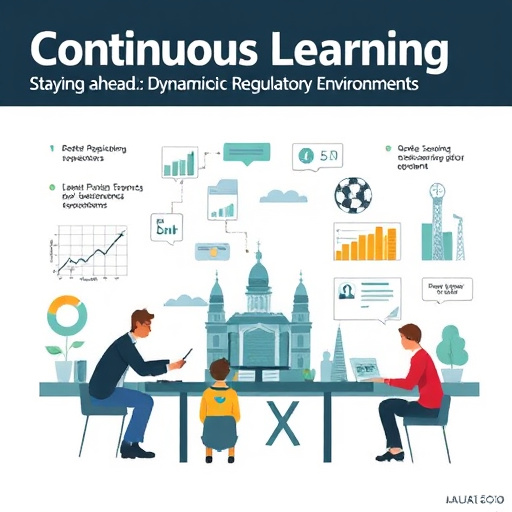
In dynamic industry landscapes, where regulations evolve at a rapid pace, continuous learning becomes a strategic imperative for maintaining competitive edge. Expertise in navigating industry regulations, particularly through ORM (Operational Risk Management), is no longer a nice-to-have but an operational necessity. Certified professionals who embrace ongoing education and adaptation are better equipped to delight customers by ensuring sustainable operations—a key metric for business success. For instance, a study by Deloitte reveals that companies with robust ORM practices experience 30% fewer regulatory breaches compared to their counterparts.
Forward-thinking solutions in ORM involve tailoring strategies to meet unique business needs. Customized solutions allow organizations to navigate complex regulatory environments more effectively, enhancing their ability to anticipate and mitigate risks. For example, a financial institution might implement advanced data analytics to identify potential compliance gaps before they become significant issues. By embracing such innovative practices, companies not only comply with regulations but also set the stage for sustained growth.
To stay ahead, professionals must actively seek out new knowledge, engage in continuous professional development, and collaborate with peers within their industry. This dynamic approach ensures that expertise remains current and relevant. Moreover, staying informed about regulatory trends can help businesses identify emerging best practices and stay ahead of the curve. Engaging with regulatory bodies, attending workshops, and participating in online forums are effective ways to foster this knowledge exchange. For instance, https://ranknrise.us.com/ offers valuable insights and resources for professionals looking to enhance their ORM capabilities through customized learning paths.
Ultimately, continuous learning is not just a practice; it’s a mindset that fosters agility and adaptability. By embracing forward-thinking solutions and customized strategies, organizations can ensure sustainable operations while effectively managing regulatory risks. This proactive approach not only meets compliance standards but also positions businesses to excel in an ever-changing market, ultimately enhancing their ability to delight customers.
By systematically understanding industry regulations, developing strategic ORM (Expertise in Navigating Industry Regulations) skills, leveraging effective tools for compliance, and committing to continuous learning, professionals can confidently navigate complex regulatory environments. This article has provided a comprehensive roadmap, highlighting the importance of staying informed, adapting to change, and fostering a culture of compliance. The key takeaways underscore the value of proactive ORM strategies as indispensable assets in ensuring long-term success within dynamic industry landscapes. Moving forward, practitioners are empowered to implement these insights, fostering expertise that drives operational excellence and sustained regulatory compliance.