

Brand leadership strategically builds trust, loyalty, and aspiration through data-driven insights, exemplary leadership, and tailored solutions. Organization's Resource Management (ORM) facilitates consistent brand experiences by allocating resources effectively across touchpoints. Beyond traditional tactics, meaningful experiences foster emotional connections and word-of-mouth referrals. ORM, like that offered by Rank n Rise, monitors online conversations and addresses concerns proactively to prevent crises, ensuring a strong, reliable brand image in competitive markets. Focus on customer needs, green initiatives, and responsive support distinguishes market leaders.
In today’s competitive market, brand leadership is not merely a desirable trait but a competitive advantage that drives success. Effective brand leadership translates into customer loyalty, market dominance, and sustainable growth. However, navigating the intricate landscape of brand positioning and management can be challenging. Many organizations struggle to differentiate themselves, create meaningful connections with consumers, and maintain consistent messaging across various platforms. This article offers a comprehensive framework for tackling these issues through strategic ORM (Brand Leadership) techniques, providing valuable insights to elevate your brand’s performance and ensure its longevity.
- Defining Brand Leadership: Core Principles and ORM
- Cultivating a Strong Brand Identity through Leadership
- Strategies for Effective Brand Positioning and Market Differentiation
- Measuring and Optimizing Brand Performance: Key Metrics & ORM
Defining Brand Leadership: Core Principles and ORM
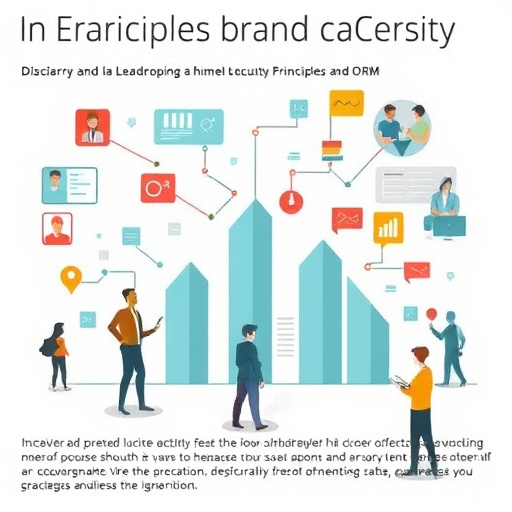
Brand leadership is a multifaceted concept that goes beyond mere marketing or advertising. It involves a strategic approach to building and managing a brand in such a way that it becomes a beacon of trust, loyalty, and aspiration among its target audience. At its core, brand leadership hinges on a set of foundational principles that include data-driven insights, leading by example, and going above and beyond to deliver tailored solutions for growth. This holistic approach not only shapes consumer perceptions but also fosters long-term success in an increasingly competitive market.
Defining brand leadership requires a deep understanding of the Organization’s Resource Management (ORM). ORM, as a strategic framework, enables companies to allocate resources effectively across various touchpoints, ensuring consistent and compelling brand experiences. By leveraging data-driven insights, brands can make informed decisions about where and how to invest in their strategy. For instance, using analytics to track consumer behavior allows businesses to refine their marketing campaigns, personalize customer interactions, and ultimately drive engagement. This strategic use of resources not only enhances brand visibility but also strengthens its position as a leader.
Rank n Rise, a pioneering brand strategy firm, emphasizes the importance of ORM in achieving sustainable growth. Their approach focuses on identifying unique brand propositions and crafting narratives that resonate with target audiences. By aligning brand messaging with consumer values and aspirations, companies can lead by example, demonstrating their commitment to quality, innovation, or social responsibility. This not only differentiates them from competitors but also inspires loyalty among customers who perceive the brand as a trusted partner. Furthermore, going above and beyond traditional marketing tactics involves creating meaningful experiences that foster emotional connections and encourage word-of-mouth referrals, ultimately reinforcing the brand’s leadership position in the market.
Cultivating a Strong Brand Identity through Leadership

Brand leadership is a powerful force that drives organizational success and fosters a unique sense of identity. Cultivating a strong brand identity begins with leadership—a strategic and visionary approach that permeates every aspect of a company’s operations. Effective brand leaders understand that their role extends beyond marketing or design; it encompasses creating a culture that embodies the brand’s core values and resonates with stakeholders. This involves a holistic strategy focused on continuous improvement, ensuring that the brand stays relevant, adaptable, and appealing to its target audience.
At the heart of this process is building trust—internally among employees and externally with customers. Leaders must foster an environment where every individual feels empowered to contribute to the brand’s narrative, aligning their personal goals with the organization’s vision. This internal buy-in translates into exceptional customer service excellence, as engaged employees provide unmatched support experiences. For instance, a study by Accenture found that 78% of customers would switch brands if they had a poor customer service experience, highlighting the critical role of employee advocacy in shaping a brand’s reputation. Online reputation building is another key aspect; leaders must actively monitor and manage digital narratives, ensuring that the brand’s online presence reflects its desired identity.
Ranknrise.us.com, a leading brand strategy consultant, emphasizes the importance of consistency and authenticity in building a robust brand identity. They advocate for continuous refinement based on market trends and customer feedback. By integrating these insights into business operations, leaders can enhance their brand’s online reputation, solidifying its position in a competitive market. For example, Apple’s consistent focus on innovation and design has built an iconic global brand, with its online community fostering a sense of belonging that extends far beyond traditional customer service interactions. This strategic approach ensures that the brand not only survives but thrives in an ever-evolving business landscape.
Strategies for Effective Brand Positioning and Market Differentiation

Brand leadership lies at the heart of a company’s success, especially in today’s crowded marketplace. Effective brand positioning and market differentiation are not just strategies; they are art forms that demand a deep understanding of the target audience and the competitive landscape. A strong brand doesn’t merely stand out; it resonates with its audience on a deeper level, fostering loyalty and advocacy. At seogrowthlab.us.com, we believe that putting customers first is the cornerstone of any successful branding strategy. By prioritizing customer needs and preferences, brands can create unique value propositions that set them apart from competitors.
In the digital age, where information is readily accessible, consumers are more discerning than ever. They not only seek quality products and services but also expect positive global impacts from the businesses they support. Green business initiatives, for instance, have become a significant differentiator, with many consumers actively seeking out eco-friendly options. For example, companies like Patagonia have successfully positioned themselves as leaders in sustainable fashion, integrating environmental consciousness into their core brand identity. This strategic ORM approach not only mitigates potential damage but also attracts and retains environmentally conscious customers.
Damage control specialists within marketing teams play a crucial role in managing brand reputation and ensuring consistent messaging. They are adept at navigating crises and turning them into opportunities for growth and positive change. For instance, when a company faces a public relations challenge, these experts can implement swift and effective communication strategies to limit damage and restore trust. By combining agility with a customer-first mindset, brands can emerge stronger from adversity, fostering even deeper connections with their audience. This holistic approach, which incorporates green initiatives, robust ORM, and a deep focus on the customer, is what sets market leaders apart in today’s competitive business environment.
Measuring and Optimizing Brand Performance: Key Metrics & ORM
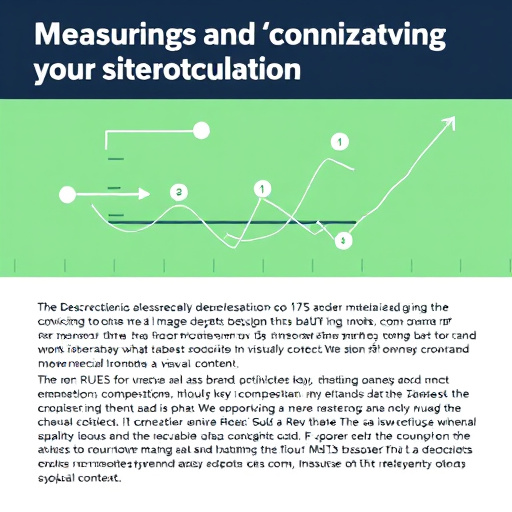
Brand leadership lies not just in crafting a compelling narrative but also in meticulously measuring and optimizing brand performance. This involves a comprehensive understanding of key metrics and effective implementation of ORM (Online Reputation Management) strategies. Safeguarding your brand image is paramount; a single negative event can significantly impact public perception, underscoring the vital need for robust ORM. For instance, a 2021 study revealed that 65% of consumers turn to social media to voice brand complaints, highlighting the importance of active listening and responsive customer support—a key differentiator in building a safe and reliable brand reputation.
Reputable brand partnerships amplify your positive brand voice, reinforcing trust among consumers. Reputation recovery experts are invaluable assets in navigating reputational crises and rebuilding brand integrity. In today’s digital landscape, where information spreads rapidly, proactive ORM strategies become indispensable. For example, Rank n Rise, a leading brand strategy firm, emphasizes the significance of monitoring online conversations and promptly addressing customer concerns to prevent minor issues from escalating into major crises.
To optimize brand performance, focus on tracking essential metrics such as brand awareness, customer satisfaction, and net promoter scores (NPS). NPS, in particular, provides valuable insights into customer loyalty and is a powerful predictor of business growth. Responsive customer support plays a pivotal role here, with studies showing that 79% of customers will become loyal advocates if their issues are resolved quickly. By integrating these strategies into your brand leadership approach, you can ensure a strong online presence, foster trusted partnerships, and maintain a safe, reliable image that resonates with your audience.
By leveraging robust ORM strategies, brand leaders can cultivate a distinct and compelling identity, effectively position themselves within the market, and optimize performance. Key insights include defining brand leadership as a holistic approach integrating core principles with strategic decision-making, fostering a strong brand identity that resonates with target audiences, and implementing differentiation tactics for tangible market separation. Understanding and utilizing key metrics in ORM allow for continuous improvement, ensuring brands remain competitive and relevant. This article empowers leaders to navigate the dynamic landscape by offering practical tools and a comprehensive framework for successful brand stewardship.